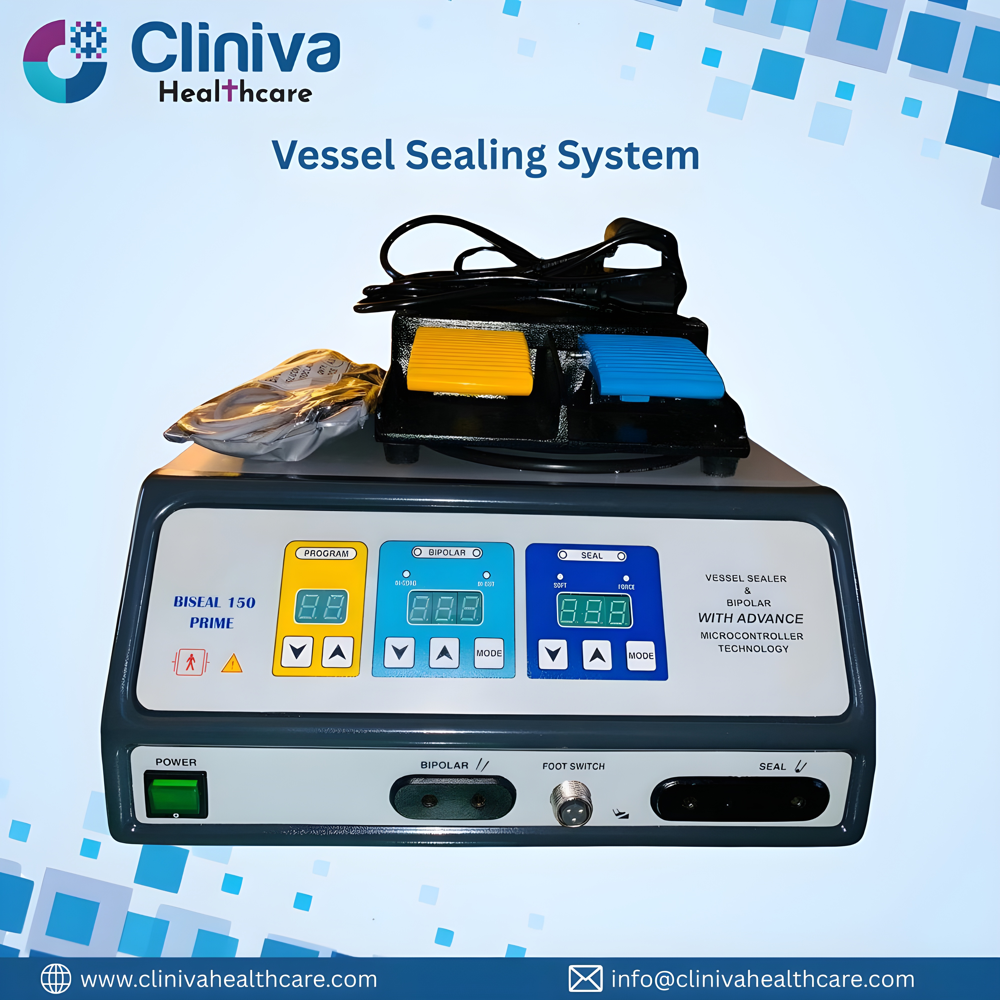
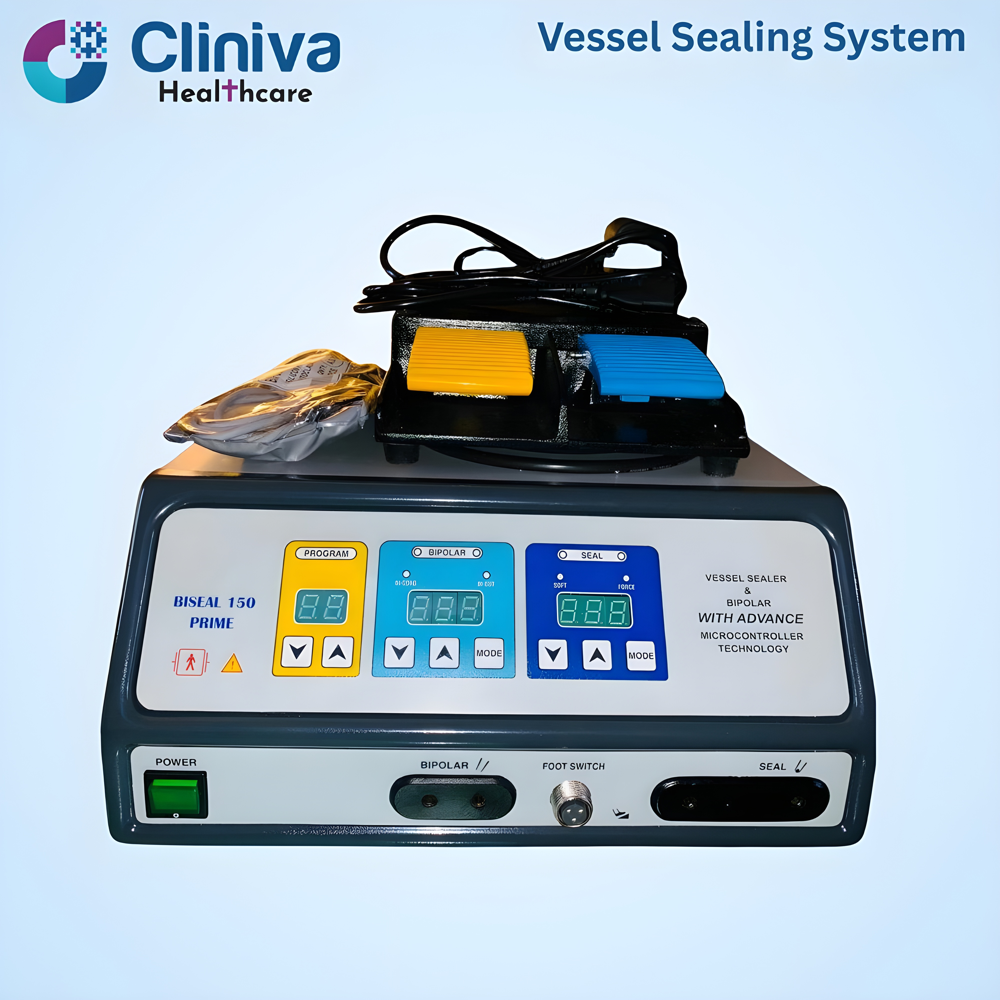
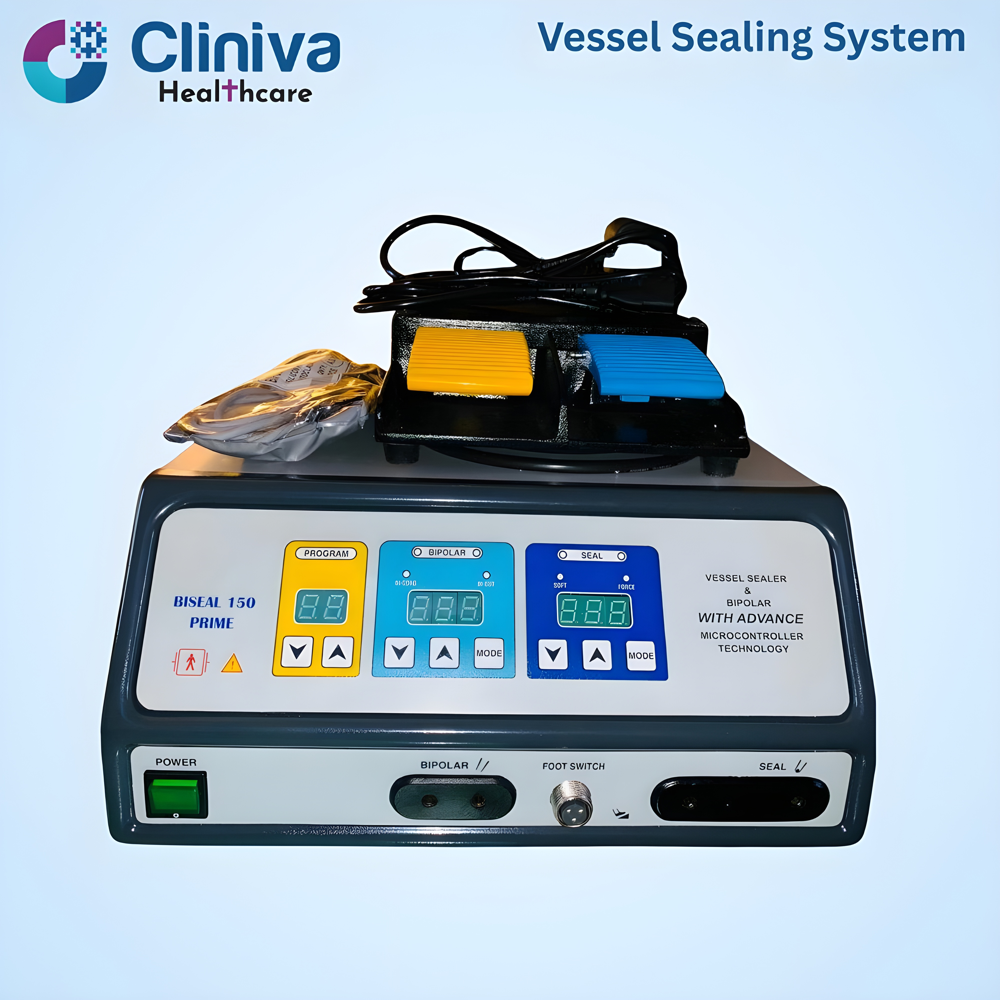
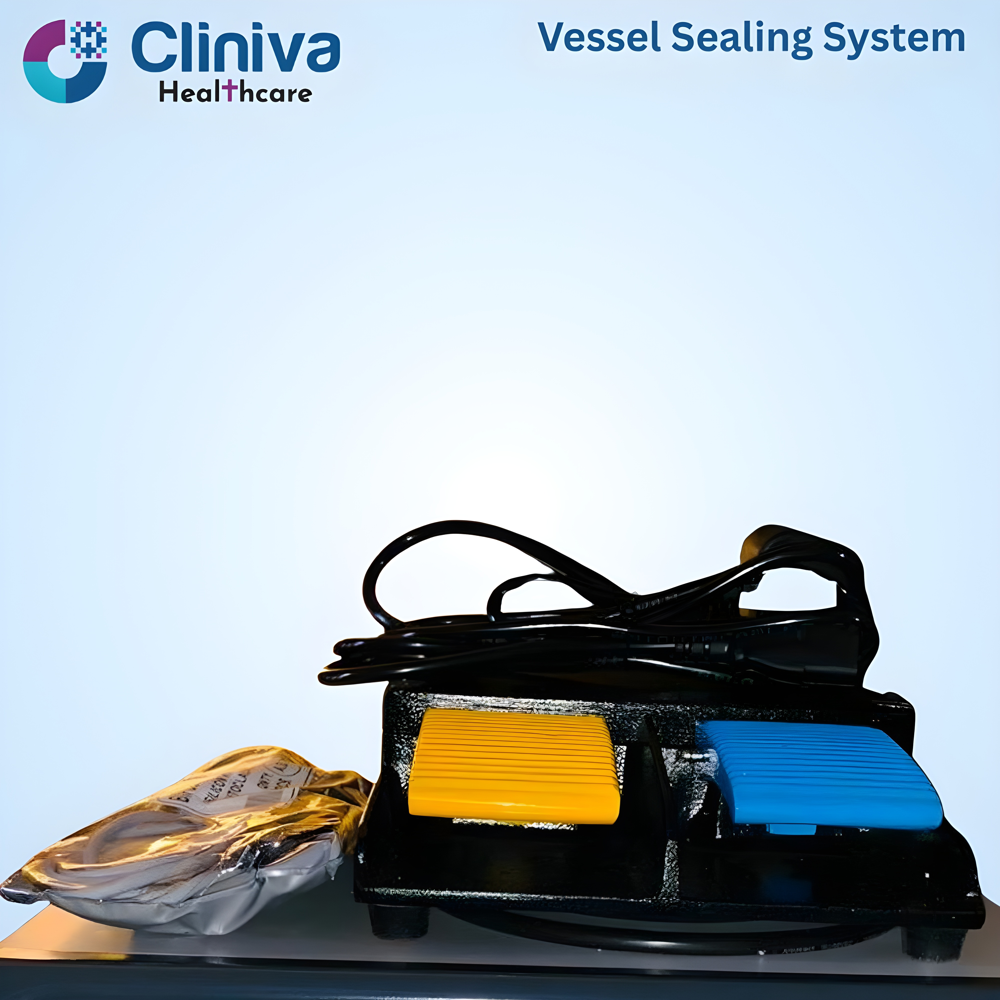
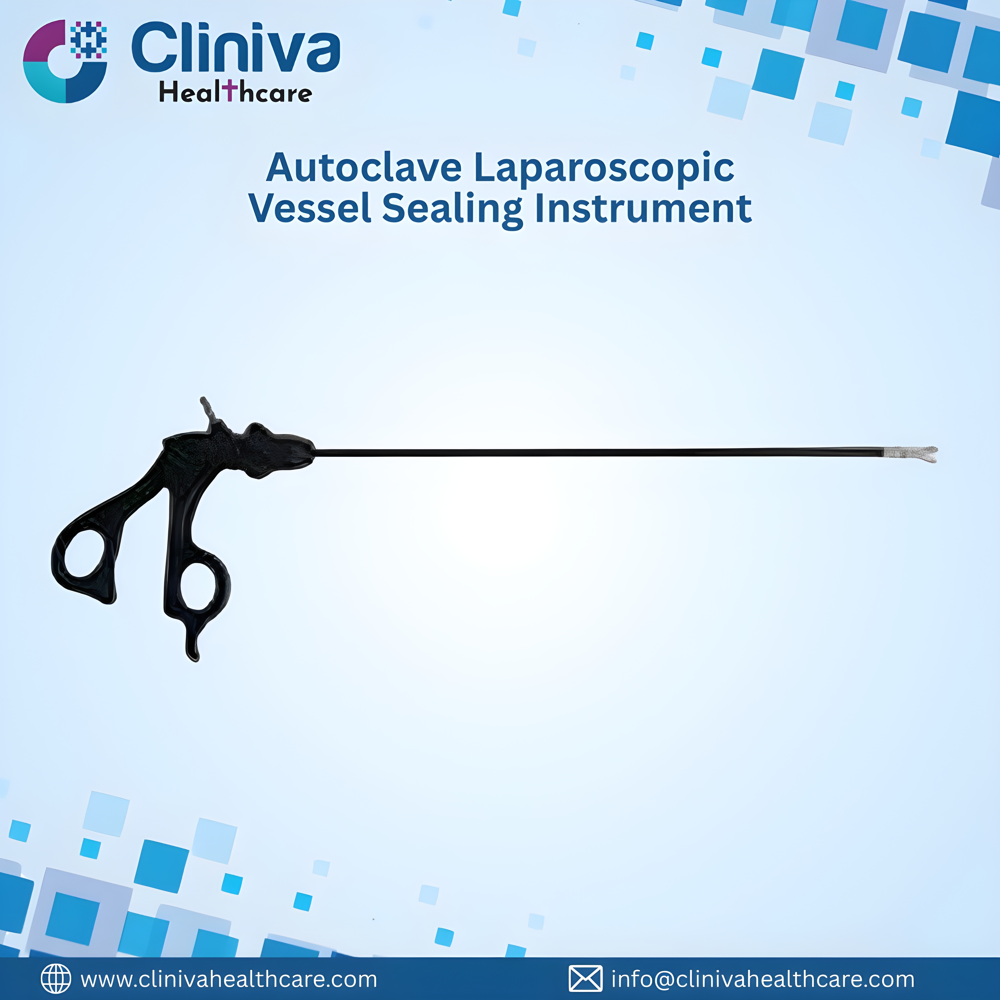
About Vessel Sealing System
A vessel sealing system is an advanced electrosurgical tool that uses a combination of pressure and high-frequency bipolar energy to permanently fuse blood vessels (up to 7mm) and tissue bundles during open and laparoscopic surgeries. It minimizes blood loss, reduces operating time, and replaces traditional sutures.
Key Components and Details:
- Mechanism: Uses intelligent feedback loops to measure tissue impedance, applying, and controlling, pressure and energy to denature collagen and elastin within the vessel wall.
- Thermal Spread: Designed for minimal thermal spread (typically 2mm), reducing damage to surrounding tissue.
- Vessel Diameter: Seals vessels up to 7mm in diameter.
- Safety Features: Often includes self-diagnosis, audio-visual feedback, and automatic instrument recognition.
- Applications: Commonly used in general surgery, gynecology, urology, and thoracic procedures.
Types of Vessel Sealing Systems:
- Electrosurgical/Bipolar Sealers: Use RF energy to create seals.
- Ultrasonic Sealers: Use high-frequency vibrations to seal by denaturing proteins.
- Hybrid Sealers: Combine both technologies for enhanced effectiveness.
These devices are crucial for reducing surgical complications and enabling faster recovery for patients.
Key Technical SpecificationsMost modern vessel sealing systems share several core capabilities:
- Sealing Capacity: Most systems can effectively seal vessels up to 7 mm in diameter.
- Power Output: Typically features a robust output (often 400 watts) to handle varied tissue thicknesses while minimizing thermal spread to adjacent healthy tissues.
- Sensing Technology: Advanced "smart" systems monitor tissue impedance in real-time (some at 4,000 times per second) to automatically stop energy delivery once the seal is complete.
- Operating Modes: Usually includes dedicated modes for Sealing, Cutting, and Coagulation, often with both Monopolar and Bipolar options.
Core Benefits
- Reduced Blood Loss: Provides secure hemostasis that can withstand up to 3x normal systolic blood pressure.
- Surgical Efficiency: Many devices offer a "Seal and Cut" functionality, allowing surgeons to divide tissue immediately after sealing without changing instruments.
- Safety: Minimal thermal spread (often limited to 2 mm) reduces the risk of unintended damage to surrounding structures.
- No Foreign Material: Unlike staples or clips, these systems leave no foreign bodies behind in the patient's body.
Applications and UsageThese systems are versatile and used in both open and laparoscopic procedures across several specialties:
- General Surgery: Appendectomy, colectomy, and liver resection.
- Gynecology: Hysterectomy and ovarian cystectomy.
- Urology: Prostatectomy and nephrectomy.
- Veterinary Medicine: Common for spaying, neutering, and mass removals.

 Send Inquiry



 Send Inquiry

 Send Inquiry